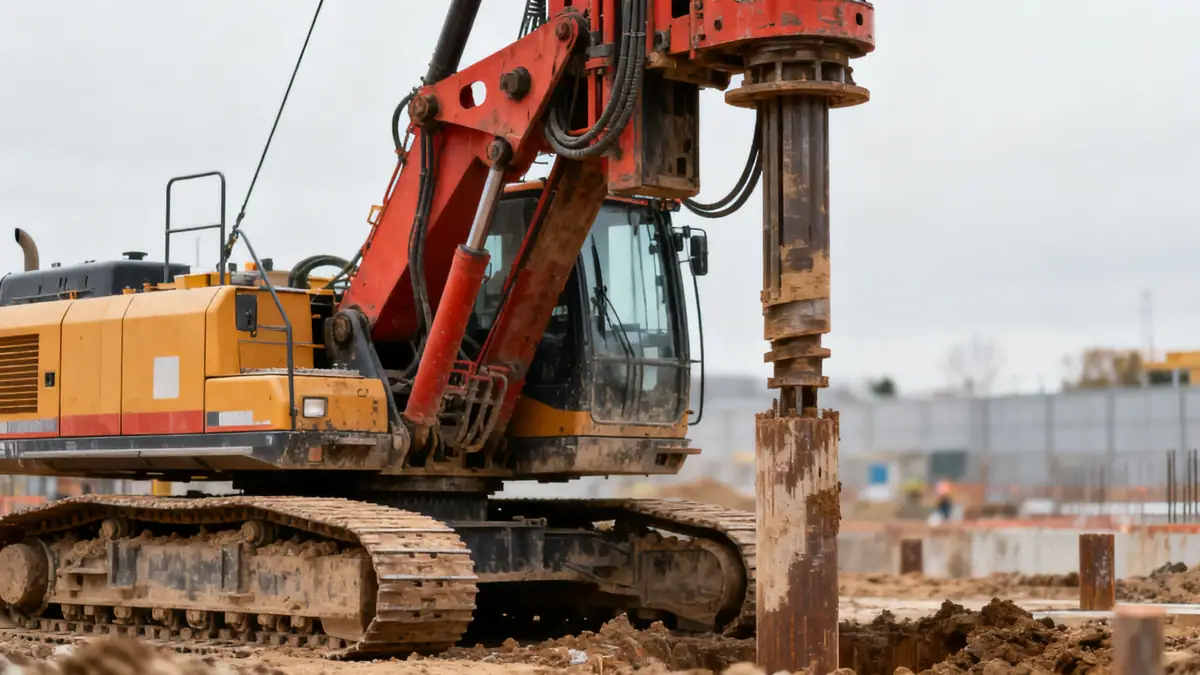
Methodology
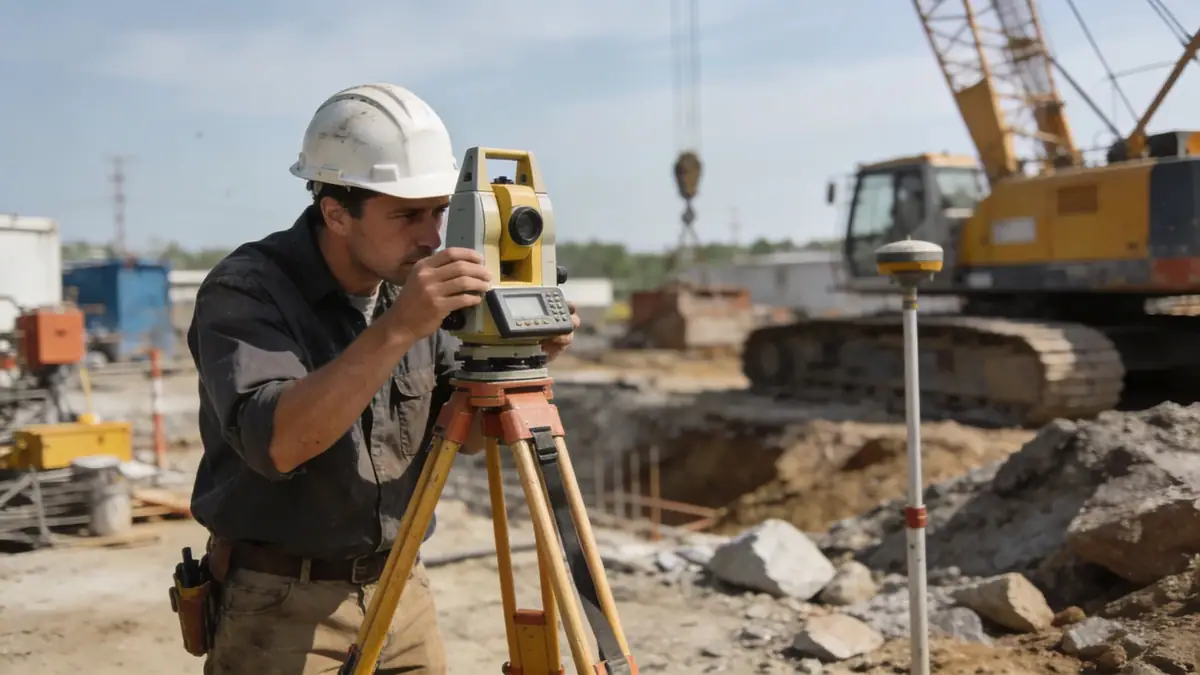
Our methodology for soil mechanics laboratory investigations in Augusta Georgia integrates standard penetration testing (SPT) per ASTM D1586, with sampling intervals every 1.0–1.5 m to capture stratigraphic changes. We also perform continuous cone penetration testing (CPT) where detailed profiling is required. All samples are analyzed in our soil mechanics laboratory for index properties, strength, and consolidation parameters. This systematic approach ensures that the design team receives comprehensive geotechnical parameters tailored to the Coastal Plain setting.
Reference Technical Parameters
| Parameter | Reference Value |
|---|---|
| Predominant soil type | Sand, clay, marl (Coastal Plain) |
| Maximum seismic acceleration (PGA) | 0.2g (ASCE 7-16, Site Class D) |
| Typical groundwater level | 3–8 m below ground surface |
| Bedrock depth | 30–60 m (crystalline basement) |
| Typical N60 range | 5–30 blows/0.3 m |
Local Considerations — Augusta Georgia
Augusta lies within the Coastal Plain, where soils consist of interbedded sands, clays, and marls. Groundwater is typically shallow (3–8 m), requiring dewatering considerations for excavations. Seismic design follows ASCE 7 with a PGA of 0.2g for Site Class D. In older downtown areas, fill and organic soils may be present, while newer developments on the outskirts encounter more uniform sands. Typical projects include mid-rise buildings and industrial slabs. For broader regional context, our soil mechanics laboratory en Atlanta provides comparable services across Georgia.
Request a Quote
Our team reviews your project and issues an initial report at no cost.
Or write us directly at [email protected]
Services in Augusta Georgia
Applicable Standards
- ASTM D1586 (Standard Penetration Test)
- ASCE 7-16 (Minimum Design Loads and Associated Criteria for Buildings and Other Structures)
- ASTM D2487 (Unified Soil Classification System)
- ASTM D4318 (Atterberg Limits)
- ASTM D698 (Standard Proctor Compaction)
Frequently Asked Questions
What are the typical soil types encountered in Augusta, Georgia?
Augusta soils are predominantly sands, clays, and marls of the Coastal Plain. Near the Savannah River, alluvial deposits may include silts and organic materials. These variations require careful classification and testing to determine engineering properties.
Does Augusta have specific seismic design requirements?
Yes, Augusta is subject to moderate seismic hazard per ASCE 7, with a mapped PGA of 0.2g for Site Class D. Site-specific response analysis may be required for critical structures. Our laboratory provides shear wave velocity and cyclic testing to support seismic design.
Are geotechnical investigations mandatory for construction in Augusta?
While not always legally required for all projects, most local building codes and lenders require a geotechnical report for commercial and multi-family structures. Our team assists developers in meeting these requirements efficiently.