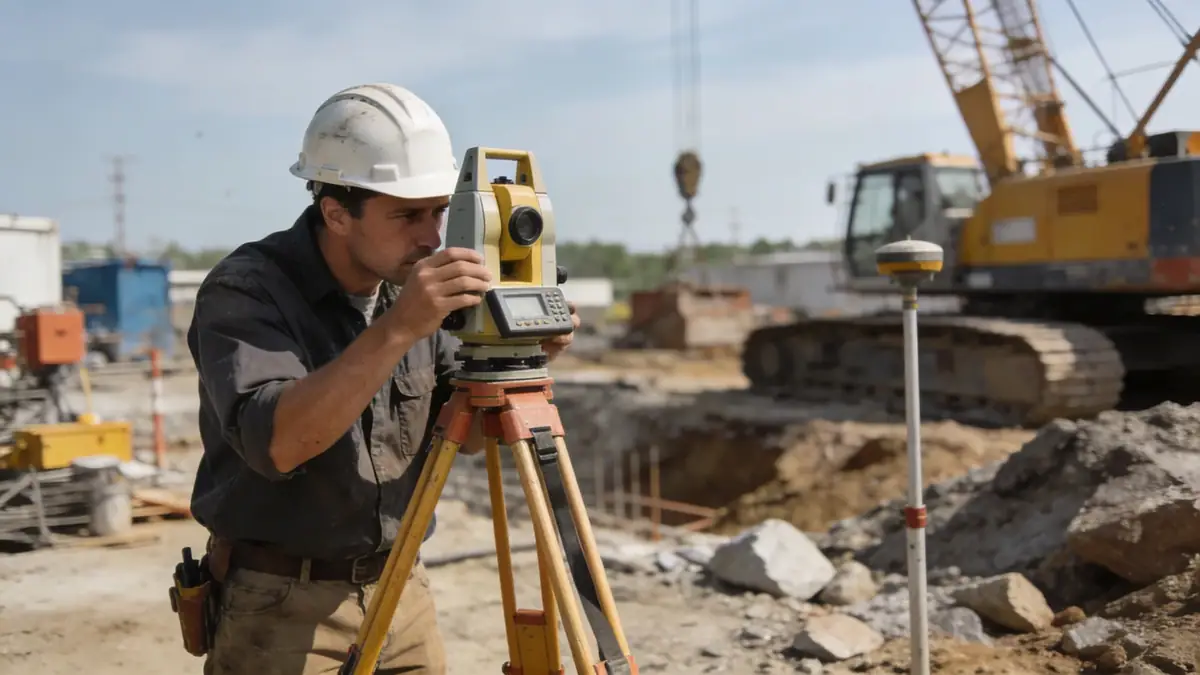
Methodology
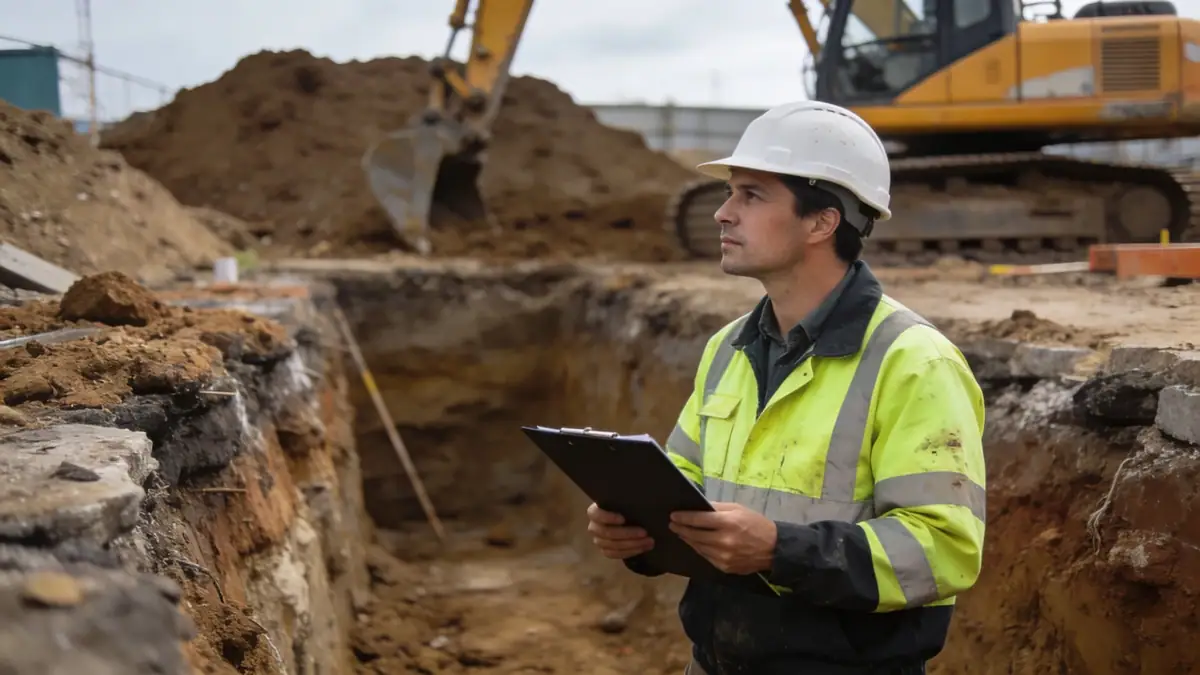
Our methodology for soil mechanics laboratory in Arlington integrates site-specific exploration with advanced laboratory testing. We perform Standard Penetration Tests (SPT) per ASTM D1586 at 1.5 m intervals to characterize soil strata and obtain N-values. Continuous sampling via thin-walled tubes allows for undisturbed recovery of clay samples for consolidation and triaxial testing. Our soil mechanics laboratory follows strict QA/QC protocols, ensuring data reliability for foundation design and slope stability analysis in Arlington's varied geologic setting.
Reference Technical Parameters
| Parameter | Reference Value |
|---|---|
| Predominant soil type | Clay (Eagle Ford Shale) and limestone (Austin Chalk) |
| Maximum seismic acceleration (PGA) | 0.10–0.15 g (ASCE 7-16) |
| Typical groundwater level | 3–10 m below ground surface |
| Bedrock depth | 5–20 m (shallow in western Arlington) |
| Typical N60 range (SPT) | 5–30 blows/0.3 m (clay); >50 (limestone) |
Local Considerations — Arlington
Arlington's geology features highly plastic clays (CH) that shrink and swell with moisture changes, posing risks to slab-on-grade foundations. The city lies in Seismic Category B per ASCE 7-16, with low but non-zero seismic hazard. Groundwater levels vary with topography; deeper in the west near the Trinity River floodplain. Our team has extensive experience with deep foundation solutions in the Eagle Ford Shale and drilled pier socketing into Austin Chalk. For more on our approach, see our services in Houston. Additionally, we offer granulometry & atterberg testing to classify Arlington's expansive soils.
Request a Quote
Our team reviews your project and issues an initial report at no cost.
Or write us directly at [email protected]
Services in Arlington
Applicable Standards
- ASTM D1586
- ASCE 7-16
- International Building Code (IBC) 2021
- City of Arlington Geotechnical Report Guidelines
Frequently Asked Questions
What are the typical soil types encountered in Arlington for geotechnical investigations?
Arlington's subsurface predominantly consists of clay from the Eagle Ford Shale and limestone from the Austin Chalk. These materials exhibit high plasticity and variable strength, requiring careful laboratory testing for foundation design.
Is seismic analysis required for building projects in Arlington?
Yes, per ASCE 7-16, Arlington is classified as Seismic Design Category B. While seismic hazard is low, site-specific response spectra may be needed for critical structures. Our soil mechanics laboratory in Arlington provides necessary seismic site classification.
When is a geotechnical study mandatory for construction in Arlington?
The City of Arlington requires a geotechnical report for most commercial and multi-family projects, and for single-family homes on expansive soils. Our team helps developers comply with local regulations through comprehensive soil mechanics laboratory in Arlington.