Methodology
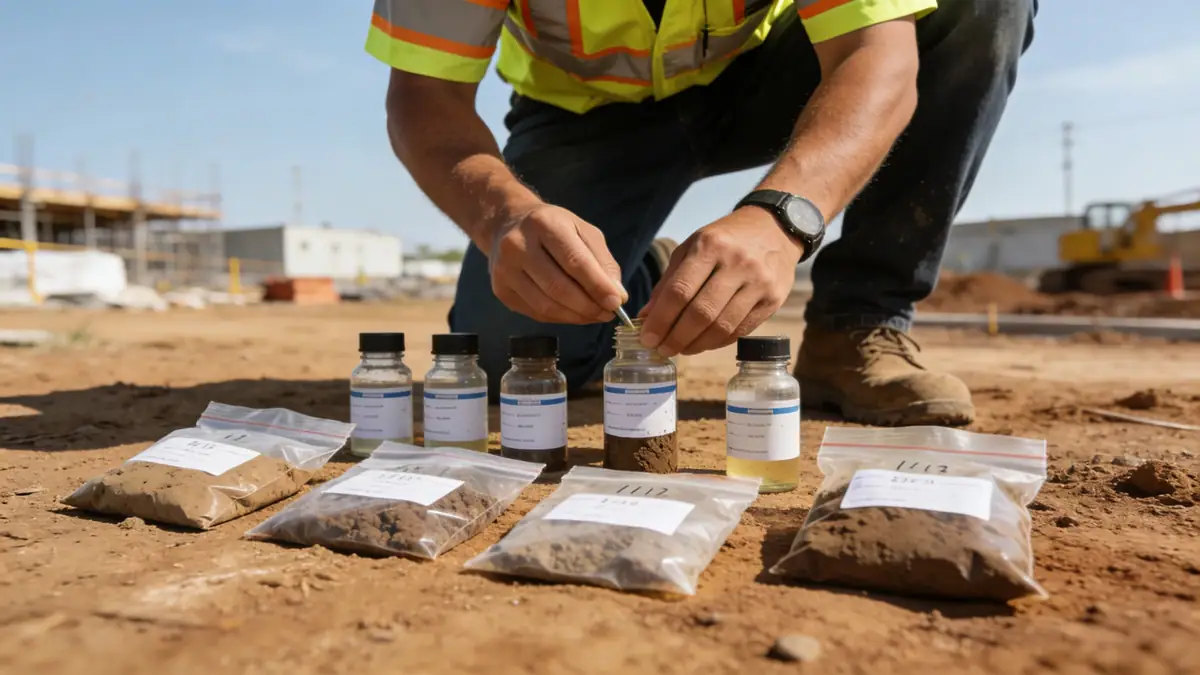
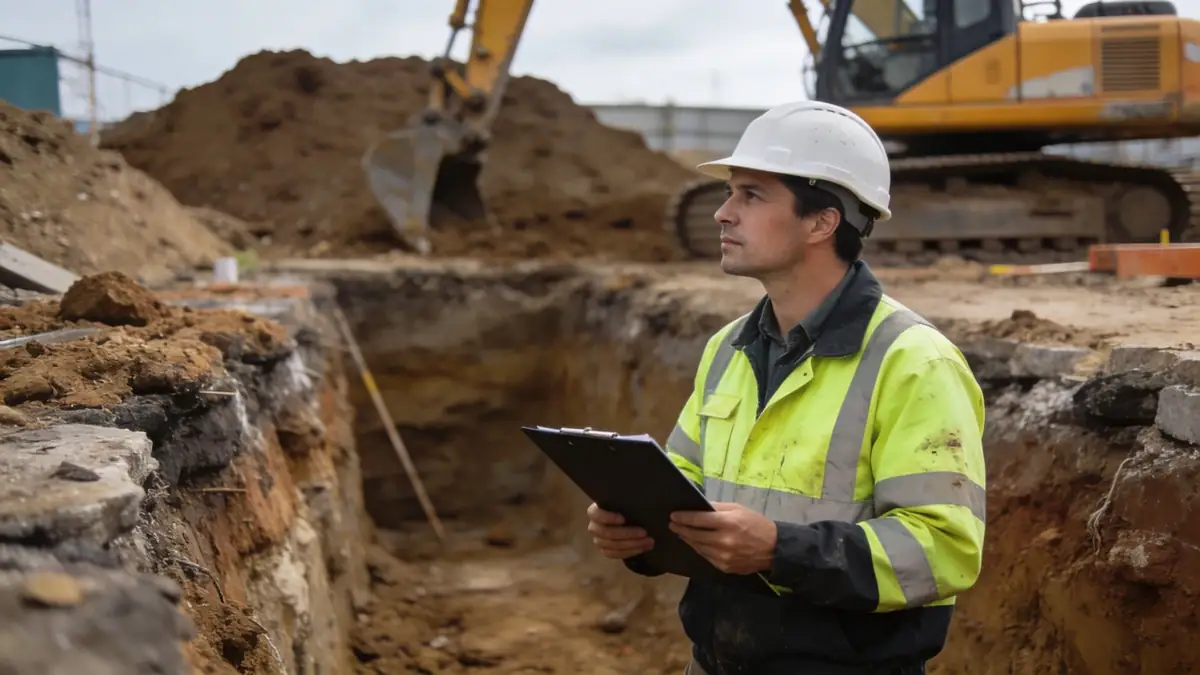
Our team employs field and laboratory procedures aligned with ASTM standards to assess soil properties in Anaheim. Sampling programs include standard penetration testing (SPT) per ASTM D1586 at 1.5 m intervals to depths of 15–30 m, depending on project scope. Undisturbed tube samples are obtained for advanced laboratory testing. In the laboratory, we conduct soil mechanics laboratory analyses including moisture-density relationships, shear strength, and consolidation. All methods follow strict quality control protocols to produce repeatable results. Our approach integrates local geological context with project-specific requirements, delivering data that supports safe and economical geotechnical design.
Reference Technical Parameters
| Parameter | Reference Value |
|---|---|
| Predominant soil type | Quaternary alluvium: sands, silts, clays with gravel lenses |
| Maximum seismic acceleration (PGA) | 0.4g to 0.6g (ASCE 7-16 Site Class D) |
| Typical groundwater level | 3 to 10 m below ground surface |
| Bedrock depth | Greater than 30 m (deep sedimentary basin) |
| Typical N60 range (SPT) | 5 to 30 blows per 300 mm |
Local Considerations — Anaheim
Anaheim's soil profile is dominated by alluvial deposits from the Santa Ana River and its tributaries, leading to variable stratigraphy with interbedded sands, silts, and clays. Groundwater levels fluctuate seasonally, typically encountered between 3 and 10 m depth. Seismic site classification per ASCE 7 generally falls under Site Class D (stiff soil), requiring site-specific response spectra for design. Older neighborhoods near downtown may have undocumented fill, while newer developments on the eastern periphery encounter denser alluvium. Our team has extensive experience across Anaheim's diverse geological settings, from the resort district to industrial parks. For broader regional context, our soil mechanics laboratory en Los Angeles provides additional expertise in Southern California geotechnics.
Request a Quote
Our team reviews your project and issues an initial report at no cost.
Or write us directly at [email protected]
Services in Anaheim
Applicable Standards
- ASTM D1586 (Standard Penetration Test)
- ASCE 7-16 (Minimum Design Loads for Buildings)
- California Building Code (CBC) 2022
- ASTM D2487 (Unified Soil Classification System)
- ASTM D422 (Particle-Size Analysis)
Frequently Asked Questions
What soil types are commonly found in Anaheim?
Anaheim's subsurface consists primarily of Quaternary alluvium: sands, silts, and clays with occasional gravel layers. These deposits vary laterally and vertically due to ancient river channels. Proper classification per ASTM D2487 is essential for foundation design.
Why is seismic site classification important in Anaheim?
Anaheim lies in a seismically active region with multiple fault systems. ASCE 7 requires site-specific seismic parameters based on soil shear wave velocity or SPT N-values. Site Class D is common, but softer profiles may amplify ground motion, affecting structural design.
Are geotechnical studies mandatory for construction in Anaheim?
The California Building Code mandates geotechnical investigations for most new structures and additions, particularly in Seismic Design Categories D and above. Local jurisdictions may require soil reports for grading permits, foundation design, and slope stability.